Call us now :08071931606
 Send Inquiry
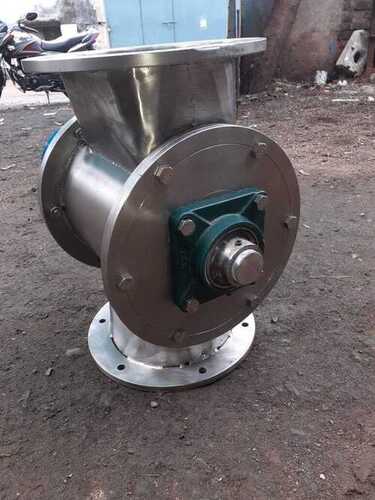
Rotary Air Lock Valves
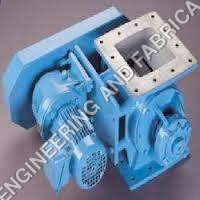

Rotary Air Lock Valves Specification
- Dimension (L*W*H)
- Variable as per design, typically around 400x400x300 mm
- Port Size
- Inlet/Outlet flanges as per specification (100 mm to 400 mm standard)
- Working Temperature
- -20C to 200C (customizable)
- Pressure Type
- Positive / Negative (Vacuum) applications
- Application
- For controlled conveying and feeding of dry bulk solids/ airlock duty in pneumatic conveying systems
- Body Material
- Cast Iron / Stainless Steel
- Media
- Powders, Granules, Pellets, Dust, Cement, Fly Ash, Plastics etc.
- Usage
- Industrial
- Material
- Cast Iron, Mild Steel, Stainless Steel (SS304 / SS316 as per requirement)
- Power
- Electric motor driven (customized ratings available)
- Pressure
- Up to 1 bar (max) / Depending on process need
- Structure
- Rotary feeder with housing & rotor
- Size
- Customizable as per process requirements
- Color
- Blue
- Weight
- Depends on capacity and material; typically 50-300 Kg
- Drive Type
- Direct Drive / Chain Driven
- Drive Motor Rating
- 0.5 HP to 5 HP (depending on size & capacity)
- Leakage Control
- Tight clearance between rotor & housing for minimum air loss
- Maintenance
- Easy access for cleaning & maintenance
- Capacity
- Up to 50 TPH (customizable to process)
- Surface Finish
- Machined, Painted, or Epoxy Coated
- Sealing Type
- Stuffing box or Mechanical seal arrangement
- Bearings
- Heavy duty ball/roller bearings
- Rotor Type
- Closed, Open or Adjustable (as per duty)
- Operational Duty
- Continuous / Intermittent
- No. of Vanes
- 6-8 Arms (typical design)
- Mounting Type
- Flange Mounted / Foot Mounted
- Product Handling Capability
- Handles abrasive, non-abrasive, free-flowing, or cohesive materials
- Rotational Speed
- Variable frequency drive optional for speed control
Rotary Air Lock Valves Trade Information
- Minimum Order Quantity
- 1 Unit
- Supply Ability
- 50 Units Per Day
- Delivery Time
- 2 Months
- Main Domestic Market
- All India
Rotary Air Lock Valves About
We are reckoned as one of the leading manufacturers and exporters of Air Lock Valves. These valves are suitable for various industrial and engineering applications. Our offered valves are known for tough construction, easy operation and high strength. These valves are widely used in solid gas separation and solids metering applications. Our range of Air Lock Valves is precisely-engineered by incorporating latest technology so that the final output meets with the international quality standards.
Versatile Rotor and Sealing Options
Choose from closed, open, or adjustable rotors to best fit your process, with 6-8 vane arms for efficient throughput. The valves are equipped with either stuffing box or mechanical seal arrangements, ensuring optimal leak protection for both positive and negative pressure operations. All sealing solutions are designed for reliable performance and minimal maintenance.
Durable Construction and Custom Fit
Manufactured from cast iron, mild steel, or stainless steel (SS304/SS316), these airlock valves offer excellent durability in various working conditions. Their surfaces can be machined, painted, or epoxy coated, providing robust resistance to abrasion and corrosion. Sizes and dimensions are fully customizable to align perfectly with your plant's specific requirements.
Efficient Operation and Control
Direct drive or chain-driven setups, with motor ratings from 0.5 HP to 5 HP, allow easy adaptation to different material handling capacities-up to 50 TPH. Optional variable frequency drive enables precise speed control, ensuring smooth and consistent delivery of powders, granules, or pellets. These features ensure efficient, energy-saving operation both in continuous and intermittent use cases.
FAQ's of Rotary Air Lock Valves:
Q: How does a rotary air lock valve control material flow in a pneumatic conveying system?
A: A rotary air lock valve regulates the flow of materials by rotating its multi-vane rotor within a housing, creating air-tight chambers that carry dry bulk solids from the inlet to the outlet. The tight clearances minimize air leakage, maintaining system pressure while delivering a controlled rate of powders, granules, or pellets.Q: What materials and finishes are available for rotary air lock valve construction?
A: Rotary air lock valves can be constructed from cast iron, mild steel, or stainless steel (SS304/SS316). Surface finishes include machined, painted, or epoxy coated options, ensuring compatibility with abrasive, corrosive, or hygienic process requirements.Q: When should I select an adjustable rotor or different vane numbers for my application?
A: Adjustable rotors and customized vane numbers (typically 6-8) are chosen based on required throughput, material properties, and process variability. Adjustable rotors cater to processes needing flexible flow rates or handling cohesive materials, while the number of vanes can enhance sealing performance or product consistency.Q: Where are rotary air lock valves commonly installed within industrial systems?
A: These valves are typically flange- or foot-mounted at discharge points of silos, hoppers, dust collectors, or pneumatic transport lines. They are widely used in industries such as cement, plastics, chemicals, and minerals across India for controlled feeding and airlock duties.Q: What maintenance procedures are recommended for rotary air lock valves?
A: Regular maintenance involves inspecting clearance between rotor and housing, lubricating heavy-duty bearings, checking seal integrity, and ensuring surfaces are free from material buildup. The design permits easy access for cleaning and service, which helps reduce downtime and prolongs equipment life.Q: How does the sealing type affect leakage control and process integrity?
A: Stuffing box and mechanical seal arrangements offer tailored solutions for minimizing air and material leakage, depending on operating pressure (positive or vacuum). Proper sealing preserves pneumatic conveying efficiency, containing dust or hazardous materials and maintaining system performance.Q: What are the benefits of using rotary air lock valves for abrasive or cohesive materials?
A: Thanks to robust construction, tight sealing, heavy-duty bearings, and customizable rotors, these valves reliably handle even abrasive or sticky materials with minimal wear. This translates to extended service life, reduced maintenance, and consistent performance in challenging material handling environments.Tell us about your requirement

Price:
Quantity
Select Unit
- 50
- 100
- 200
- 250
- 500
- 1000+
Additional detail
Mobile number
Email

More Products in Air Lock Valve Category
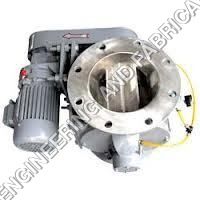
MS Rotary Airlock Valves
Price 35000 INR / Unit
Minimum Order Quantity : 1 Unit
Pressure Type : Other, Positive or Negative Pressure Applications
Material : Other, Mild Steel (MS)
Color : Silver
Usage : Industrial
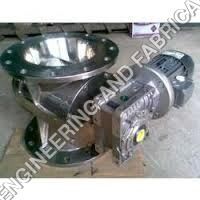
Multi Purpose Air Lock Roatry Valves
Price 30000 INR / Unit
Minimum Order Quantity : 1 Unit
Pressure Type : Other, Low Pressure
Material : Other, Cast Iron, Mild Steel, Stainless Steel
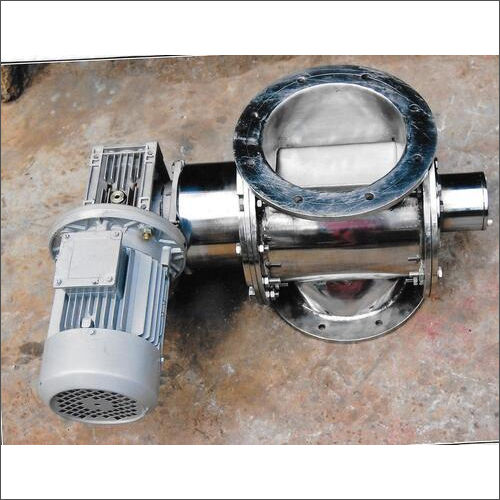
Industrial Air Lock Valve
Price 150000.00 INR / Unit
Minimum Order Quantity : 1 Unit
Pressure Type : High Pressure
Material : Stainless Steel
Color : Silver
Usage : Industrial And Commercial
Round Air Lock Valve
Price 50000 INR / Unit
Minimum Order Quantity : 1 Unit
Pressure Type : High Pressure
Material : Stainless Steel
Color : Silver
Usage : Industrial And Commercial


 Send Inquiry
Our Products

I-8, Phase-II, GIDC, Near Vinzol Railway Crossing, Vatva,Ahmedabad - 382445, Gujarat, India

Mr Manoj Singh Rajput
(Proprietor)
Mobile :08071931606
 Send Inquiry
 Send SMS
Developed and Managed by Infocom Network Private Limited.
